
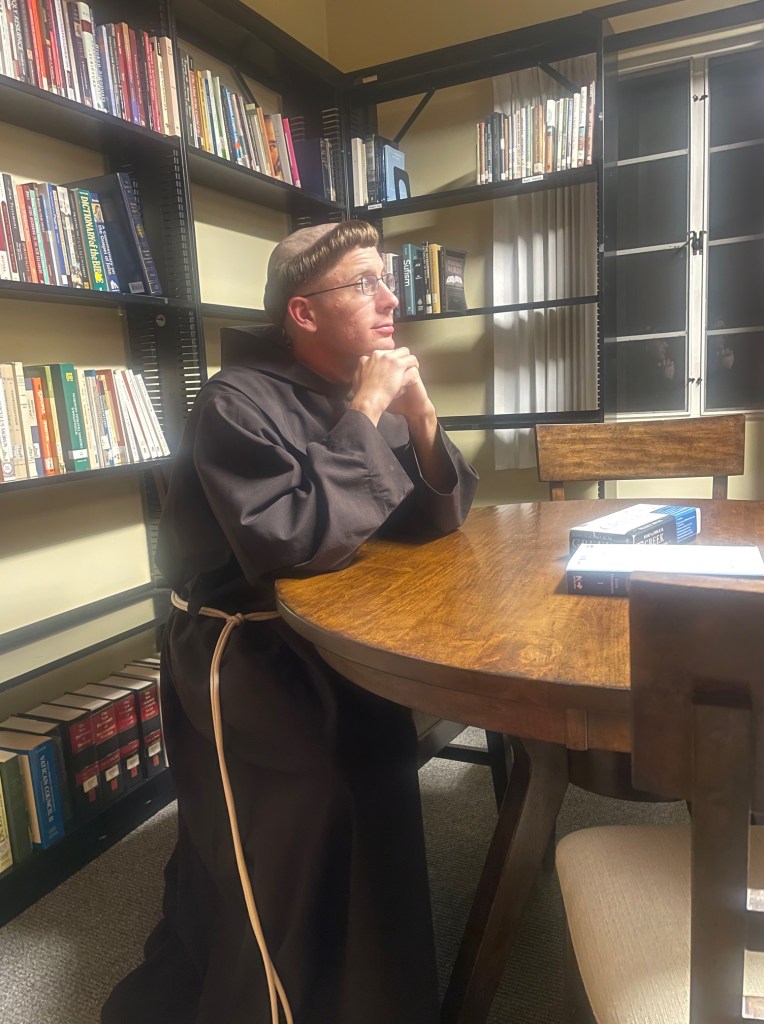
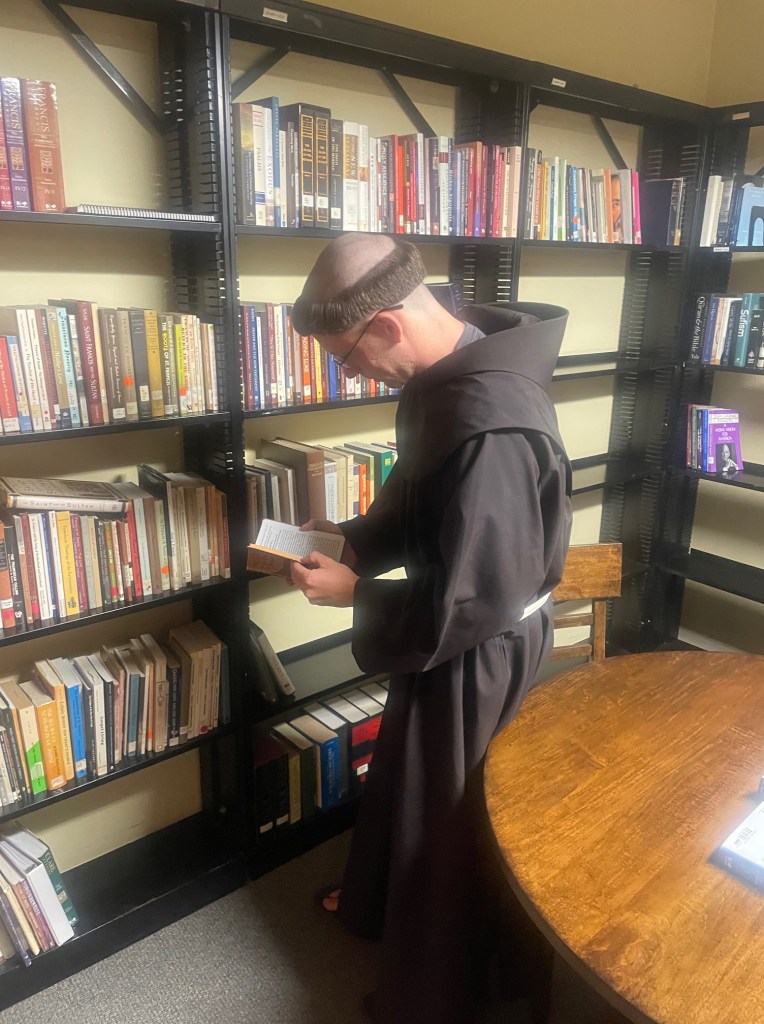
In college, we used to try to give up shoes for Lent. This Lent I guess you can say I gave up hair.
Let me ease the reader from the beginning by acknowledging that while this is not photoshopped, it is not a permanent look either. It’s only a two day tonsure. However, the buzz cut may last longer than two days…
The most frequent question I have been asked by my fellow community members the last two weeks since I announced my plan for a tonsure, and understandably so, was “why?”…
Because it’s funny. Because it excuses me from one expensive Santa Barbara haircut experience. Because it may give me a better understanding of a part of our Christian and Franciscan tradition. Because when else in my life will I have the opportunity to get away with it? Because the timing works with having a few weeks off of public ministry so the hair can grow back a little bit. Because it’s funny.
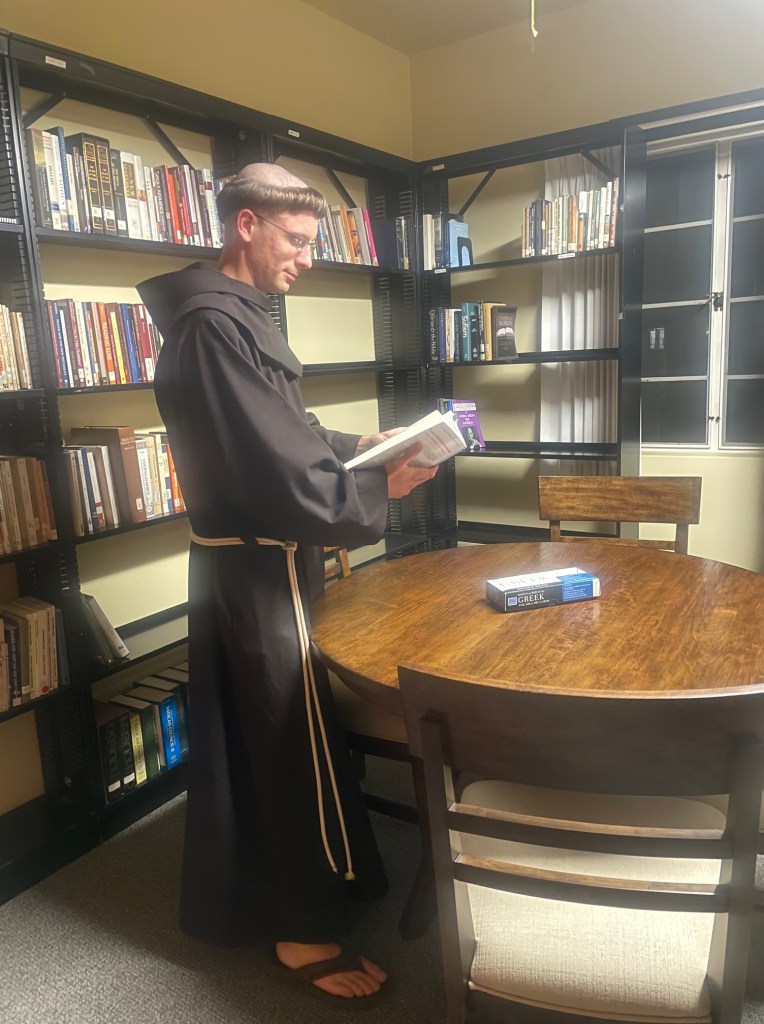
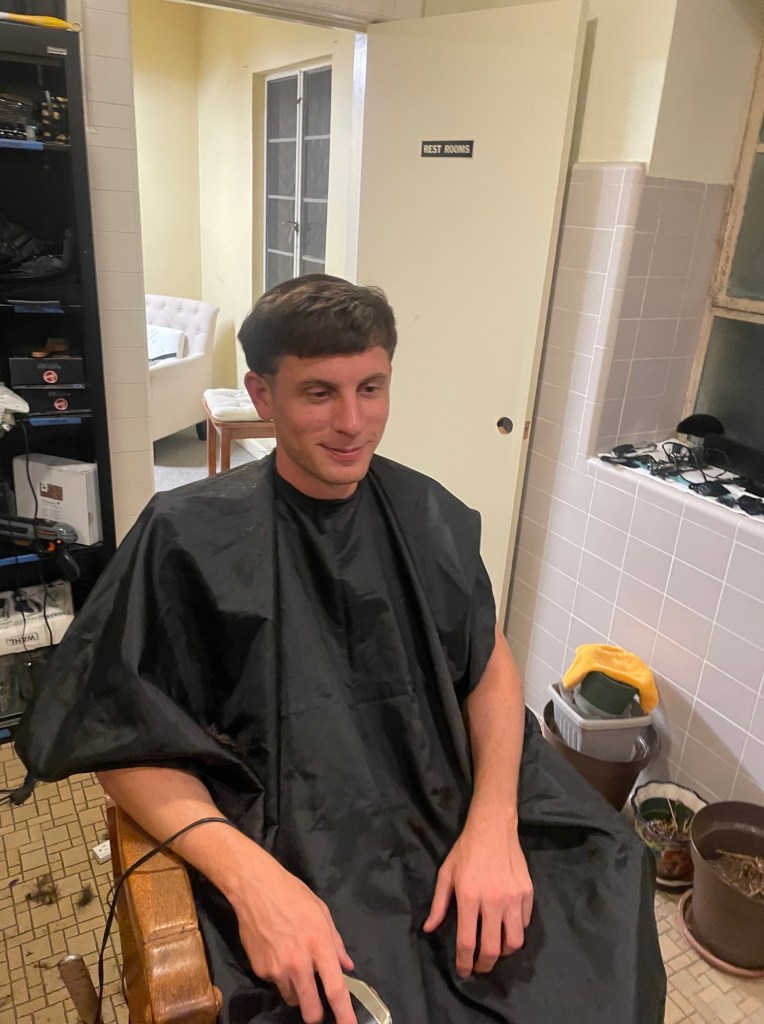
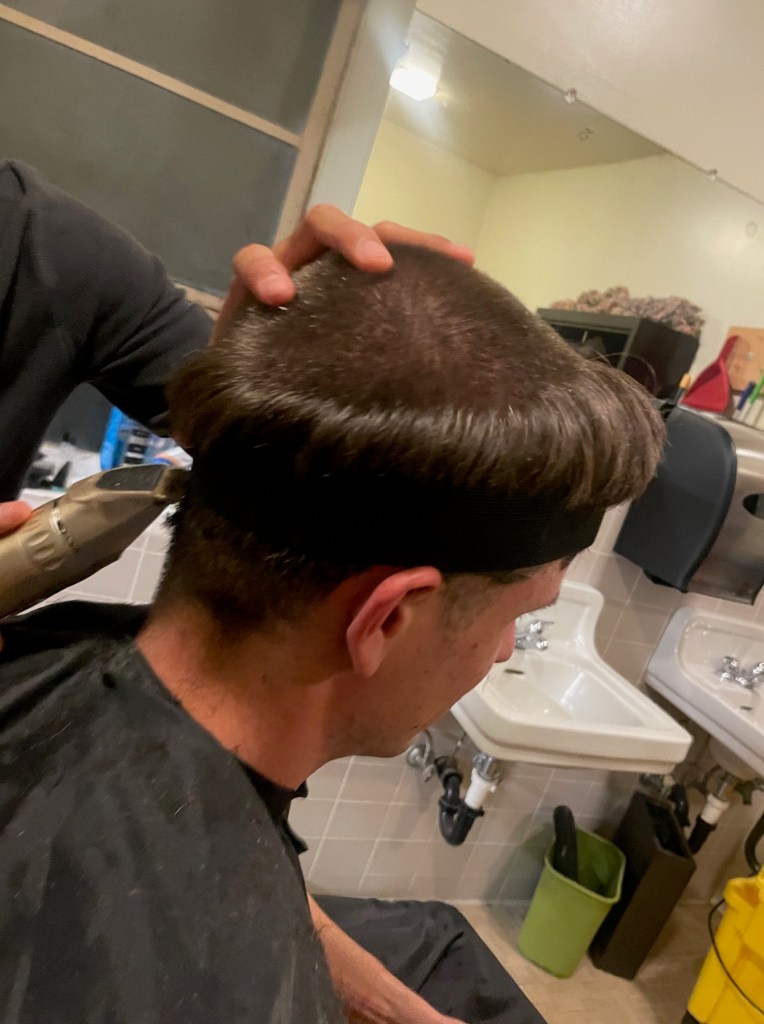
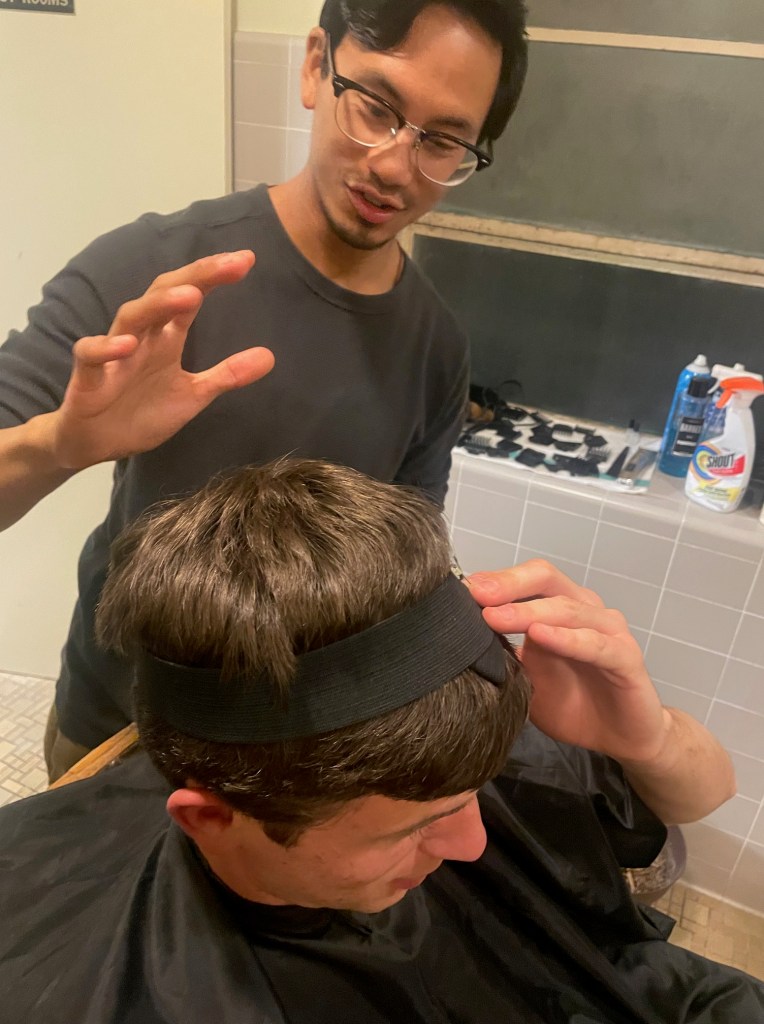
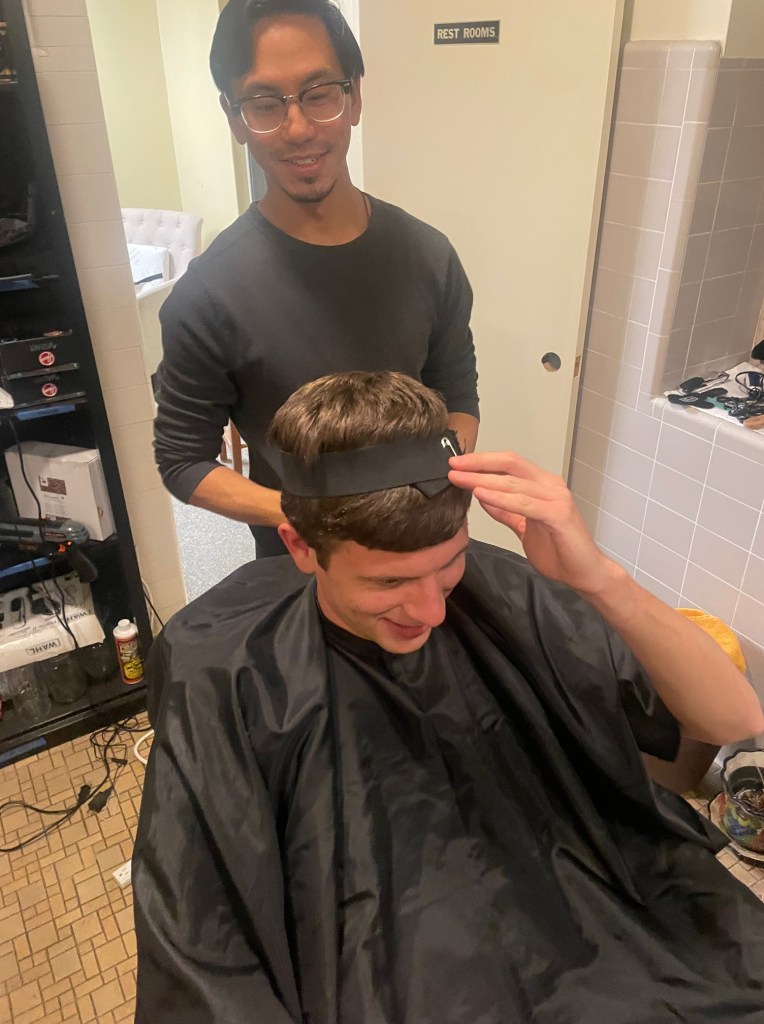
The Book of Numbers 6:5 details how nazirites, those consecrated to God, shall have no razor come upon their head until the time is completed for which they are dedicated to God. The story of Samson in the book of Judges (chapter 13-16) revolves around his hair. Other nazirites include Samuel (1 Sam 1:11) and John the Baptist (Luke 1:15).
In the Gospel of Luke, hair is used to convey Jesus’ mysticism, “Even the hairs of your head have all been counted” (12:7a) and “You will be hated by all because of my name, but not a hair on your head will be destroyed.” (21:17-18).
St. Paul seems to express his own thoughts on hair styles of the time when he wrote, “Does not nature itself teach you that if a man wears his hair long it is a disgrace to him, whereas if a woman has long hair it is her glory, because long hair has been given her for a covering?” (1 Cor 11:14-15).
Those in the Franciscan tradition are aware of how St. Clare shaved her head as a final act of defiance to her family. The earliest friars are depicted as having tonsures similar to other religious of their day. Some say monastic clerics were originally given tonsures to prevent them from easily blending in with the regulars at the local pub. The earliest friars were probably tonsured to be better received as public preachers.
Br. Dominic Monti OFM, currently residing near St. Bonaventure’s in New York, alerted me to the Franciscan Constitutions of Narbonne (1260) that state:
- The brothers should have their tonsures shaved fifteen times a year, at the customary times.
- The tonsure should be as befits religious, not small, but such that the space between the tonsure and the ears should not exceed the width of three fingers. Let the brothers, both cleric and lay, take special care of that part of the tonsure above the ears, and have it renewed at suitable times.
- On the same days that they are shaved the brothers are to receive communion, unless excused by special permission. And they are to attend a sermon in common.
Br. Dominic also shared with me that “it became illegal (death penalty) to be a Catholic priest in England, Scotland, and Ireland in the later 1500s… so the tonsure had died out a couple hundred years before the friars arrived in the US.”
Br. Kevin Schroeder OFM, who currently lives here in Santa Barbara with me, can remember in his novitiate year (1959-60) in Wisconsin when he was tasked with giving tonsures to his fellow novitiate classmates who were pursuing ordination. Those young men had to have the tonsure for the duration of their novitiate but not afterwards.
Br. Angelo Cardinalli OFM, was in the novitiate the same year (1959-60) but living here in California. Similar to Br. Kevin, he remembers the brothers who were pursuing priesthood receiving the same clerical tonsure. Additionally in his province at the time, the lay brothers (Angelo included) were required to have a “brothers tonsure” which essentially meant placing a bowl on the top of your head and shaving everything else around it.
The true end to tonsures in our provincial history was a result of the Vatican II (1963-65) call for religious orders to return to their original charism. After that, even lowly novices could avoid the tonsure. In 1972, through Pope Paul VI’s Motu Proprio, it became official that there is no need for a tonsure in order to become a cleric. Therefore, technically this haircut is not an official ‘religious tonsure’ but just a (stylish and perhaps trendsetting) haircut of my own choosing.
So yes, I did this because it was funny, but I truly did learn a lot more about our tradition. What I learned, I will never forget, I guess you can say it has been ingrained into my head (hair pun).
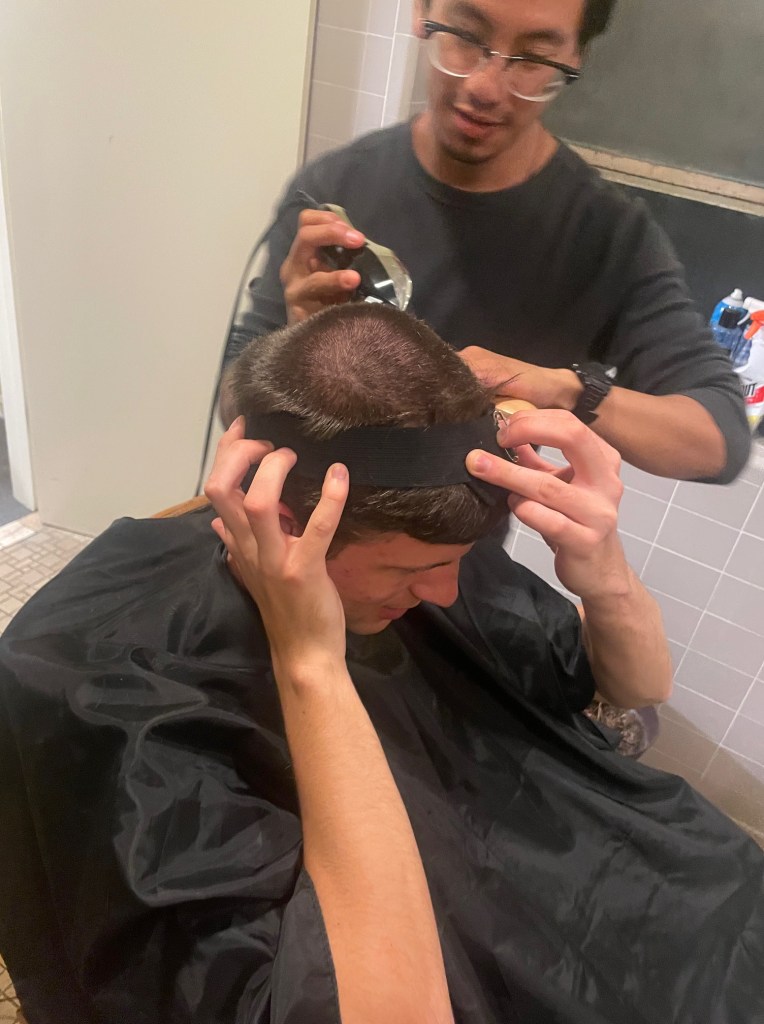
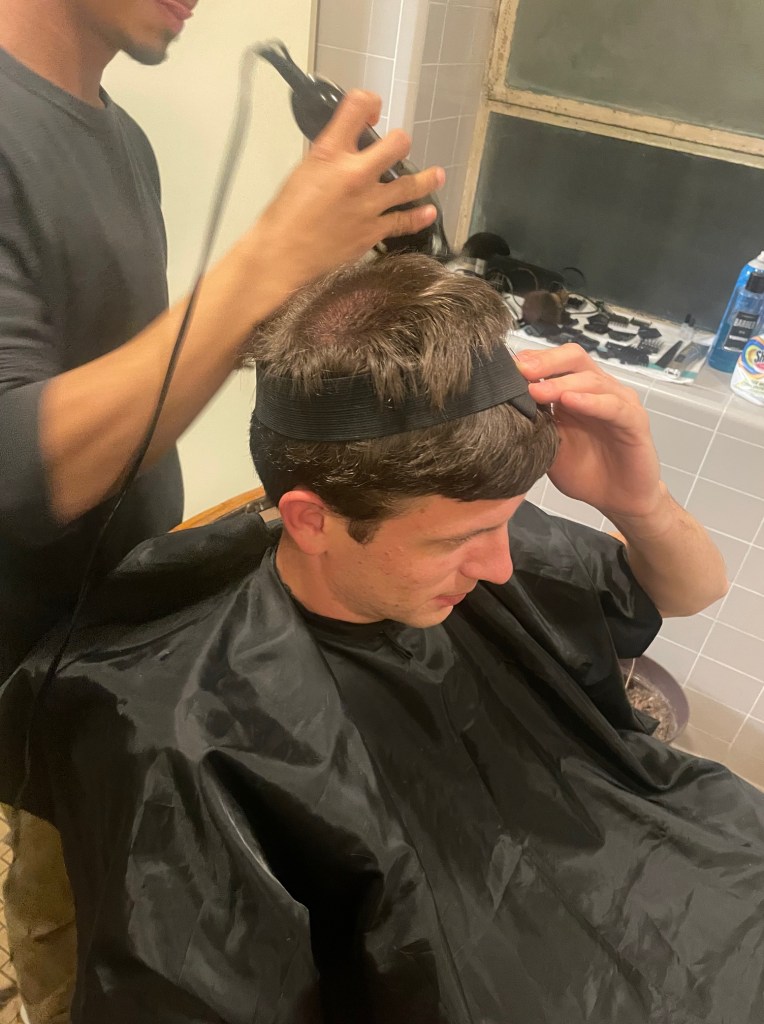



 Kevin's Corner
Leave a comment